Full Moons
What is a Full Moon?
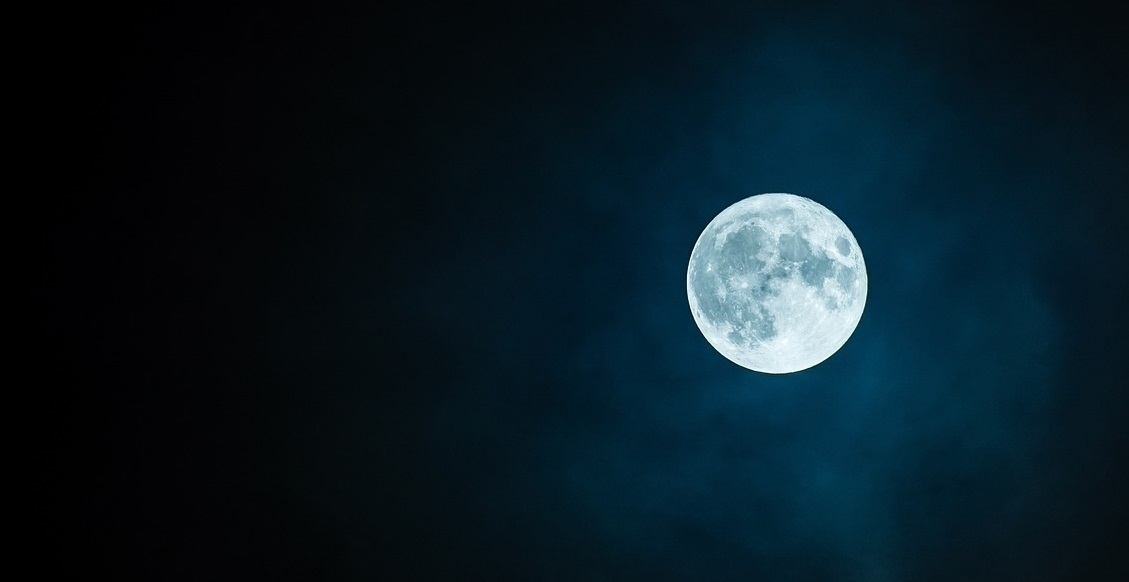
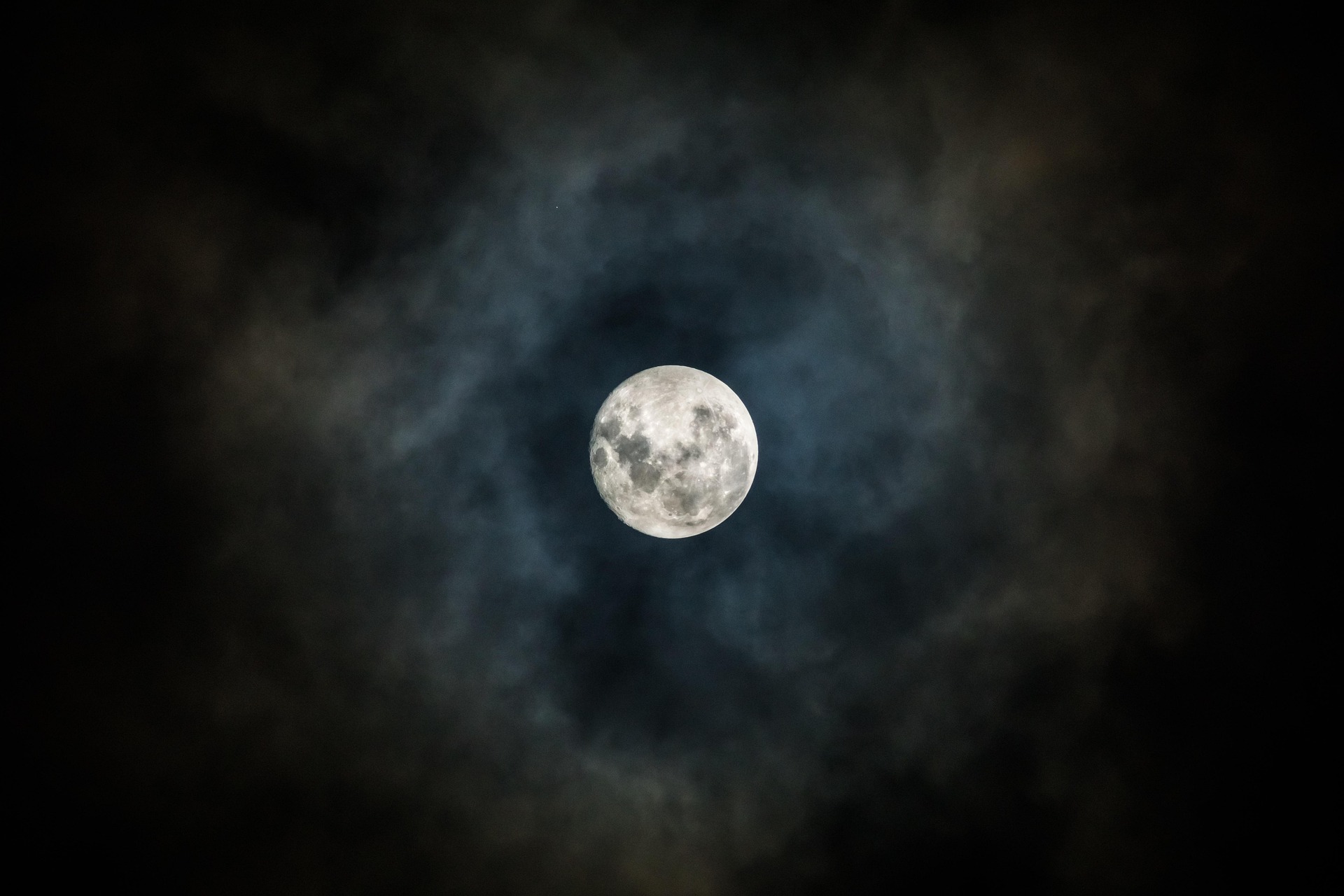
A Full Moon occurs when the Earth is positioned right between the Moon and the Sun. During this phase, the entire illuminated side of the Moon faces Earth, making it appear fully lit up. This happens approximately once every 29.5 days, marking the end of one lunar cycle and the start of the next.
Full Moon Calendar – 2025
| Date | Full Moon Time | Full Moon Name |
| January 13 | 5:27 PM | Wolf Moon |
| February 12 | 8:53 AM | Snow Moon |
| March 14 | 2:55 AM | Worm Moon |
| April 12 | 8:22 PM | Pink Moon |
| May 12 | 12:56 PM | Flower Moon |
| June 11 | 3:44 AM | Strawberry Moon |
| July 10 | 4:37 PM | Buck Moon |
| August 9 | 3:55 AM | Sturgeon Moon |
| September 7 | 2:09 PM | Corn Moon |
| October 6 | 11:48 PM | Hunter’s / Harvest Moon |
| November 5 | 8:19 AM | Beaver Moon |
| December 4 | 6:14 PM | Cold Moon |
Full Moon Calendar – 2026
| Date | Full Moon Time | Full Moon Name |
| January 3 | 5:03 AM | Wolf Moon |
| February 1 | 5:09 PM | Snow Moon |
| March 3 | 6:38 AM | Worm Moon |
| April 1 | 10:12 PM | Pink Moon |
| May 1 | 1:23 PM | Flower Moon |
| May 31 | 4:45 AM | Blue Moon |
| June 29 | 7:57 PM | Strawberry Moon |
| July 29 | 10:36 AM | Buck Moon |
| August 28 | 12:18 AM | Sturgeon Moon |
| September 26 | 12:49 PM | Harvest Moon |
| October 26 | 12:12 AM | Hunter’s Moon |
| November 24 | 9:53 AM | Beaver Moon |
| December 23 | 8:28 PM | Cold Moon |
Full Moon Names
Wolf Moon (January)
The Wolf Moon is the first full moon of the year. It is named after the wolves that would howl during the cold, winter months. Native American tribes often referred to this moon as a time when hunger caused wolves to roam in search of food. This full moon is a reminder of the harshness of winter and the resilience required to survive in the coldest part of the year.
Snow Moon (February)
The Snow Moon gets its name from the heavy snowfall that typically occurs in February. During this time, winter storms are common, blanketing the landscape in snow. In some Native American cultures, it also symbolizes the difficulty of hunting during the deep winter, when food was scarce, and the cold was intense.
Worm Moon (March)
The Worm Moon marks the beginning of spring. It’s named after the earthworms that begin to emerge as the ground thaws. This full moon symbolizes renewal and growth, signaling the start of a new cycle of life, with flowers beginning to bloom and animals becoming more active after the long winter months.
Pink Moon (April)
The Pink Moon, gets its name from the early springtime bloom of pink flowers, particularly the wild ground phlox, also known as moss pink. This flower is one of the first to bloom in North America as the weather warms up.
Flower Moon (May)
The Flower Moon is a symbol of the abundant growth of flowers during the month of May. It reflects the blossoming of various plants and flowers, heralding the peak of spring and the flourishing of nature. This moon is a celebration of new life and growth in the natural world.
Strawberry Moon (June)
The Strawberry Moon marks the time of year when strawberries are ripe for harvest in North America. It represents the sweetness of summer and is often associated with the early fruiting season. This full moon brings a sense of abundance and the joy of warm weather and outdoor activities.
Buck Moon (July)
The Buck Moon is named after the time when male deer, known as bucks, begin to grow their antlers. This full moon also marks the height of summer, a time when nature is lush and animals are abundant. It’s a symbol of strength and growth, as the bucks prepare for the coming seasons.
Sturgeon Moon (August)
The Sturgeon Moon gets its name from the large fish, the sturgeon, which were historically abundant in North American lakes during this time of year. It represents the peak of summer and a time when fish were plentiful for fishing communities. This full moon often carries themes of abundance and sustenance.
Corn Moon (September)
The Corn Moon takes its name from the harvest season, specifically the time when corn is traditionally harvested. This full moon is deeply tied to agricultural life, symbolizing the culmination of a summer’s worth of hard work and the beginning of the fall harvest. This bright moon rises early, allowing farmers to harvest into the night.
Hunter’s Moon (October)
The Hunter’s Moon is the full moon that follows the Harvest Moon and is traditionally associated with hunting. This is the time when hunters would gather food to store for winter. The moon’s bright light helped hunters track animals at night. It represents preparation, resilience, and the cycle of nature as communities ready themselves for winter.
Beaver Moon (November)
The Beaver Moon is named after the time when beavers begin to build their winter lodges. Historically, it was also the time for trappers to set their beaver traps in preparation for the winter. The moon signifies the changing seasons, as nature begins to slow down, and animals prepare for colder months.
Cold Moon (December)
The Cold Moon marks the arrival of winter, with longer nights and colder temperatures. It represents the stillness and quiet of the winter months when the natural world slows down. It is a time for reflection, rest, and preparation for the year ahead. This full moon is a reminder of the peacefulness that comes with winter’s embrace.
Other Types of Full Moons
Harvest Moon
The Harvest Moon is the name given to the full moon that occurs closest to the autumn equinox, typically in late September or early October. This moon is important because it marks the time of year when farmers traditionally gather the last of their crops before the onset of winter.
The Harvest Moon got its name because, during this time of year, the moon rises shortly after sunset for several nights in a row. This extra light provided by the full moon gave farmers more time to work in the fields after the sun went down.
The Harvest Moon has deep cultural importance in many traditions. It has been celebrated with festivals, feasts, and rituals across various cultures, often as a way to give thanks for the abundance of the harvest.
Blue Moon
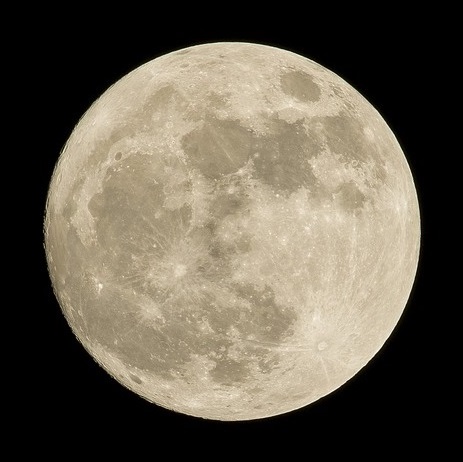
A Blue Moon refers to the phenomenon when there is a second full moon in a single calendar month, or, less commonly, when there are four full moons in a single season.
A Blue Moon happens approximately once every 2 to 3 years, which is why it is considered a rare event. Because it’s not a frequent occurrence, people often celebrate the Blue Moon, making it a special occasion in the lunar cycle.
Despite the name, a Blue Moon does not appear blue in color. It looks just like any other full moon.
Blood Moon
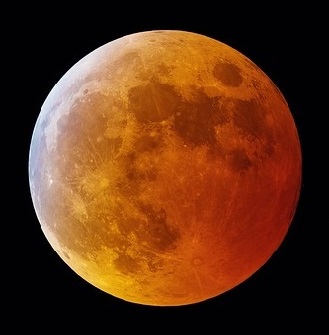
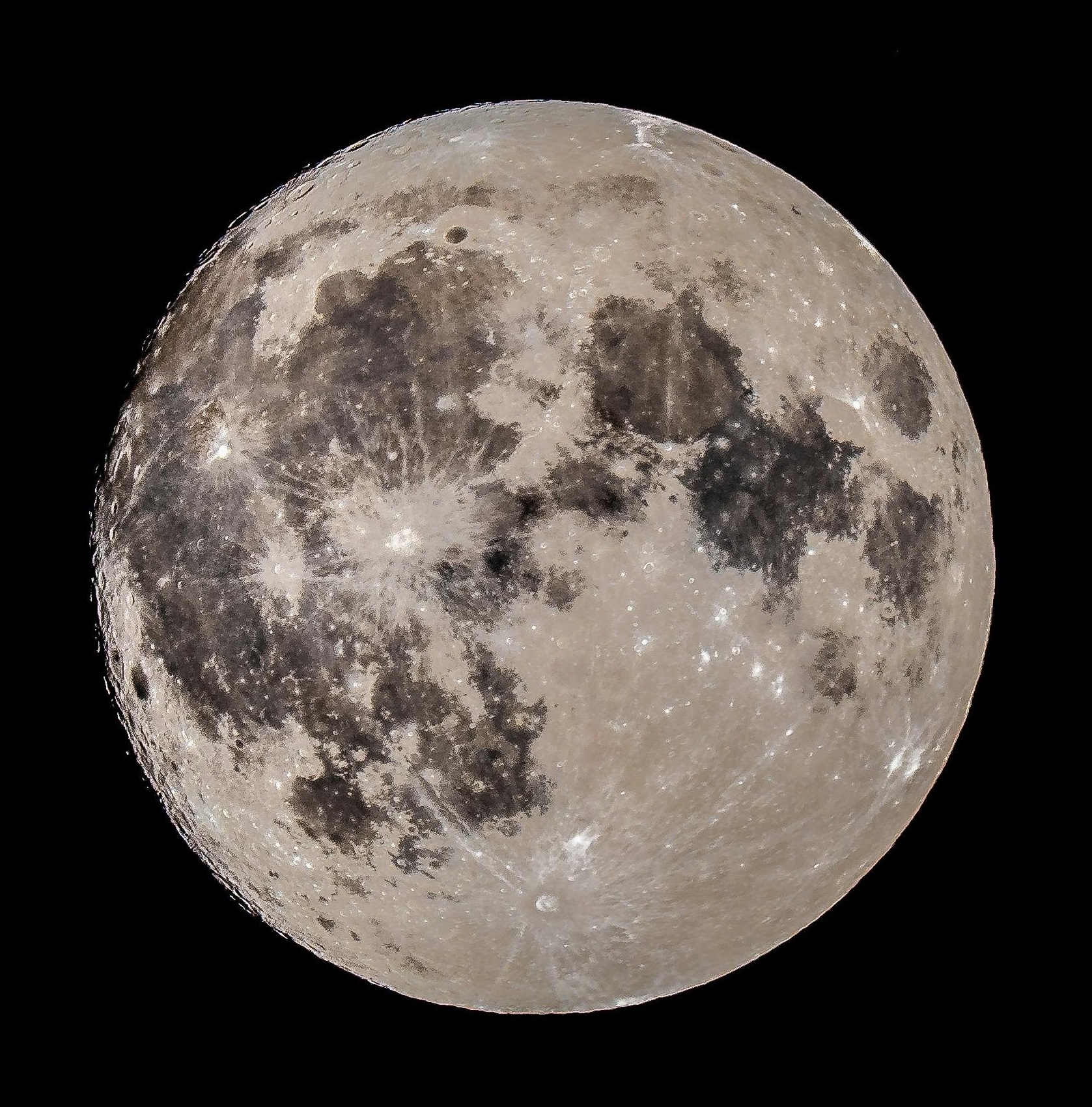
A Blood Moon is a term commonly used to describe a total lunar eclipse when the moon takes on a reddish appearance. This phenomenon occurs when the Earth passes directly between the Sun and the Moon, blocking sunlight from directly reaching the Moon. During this event, the Earth’s atmosphere scatters shorter-wavelength light (like blue and green) and allows longer-wavelength red light to pass through, casting a red or copper hue on the Moon’s surface.
A total lunar eclipse occurs about 2 to 4 times a year, but not all of these eclipses result in a “Blood Moon.” For the Moon to appear red, specific atmospheric conditions are needed. So, while total lunar eclipses are fairly common, a Blood Moon is a relatively rare and dramatic event that many people look forward to.